

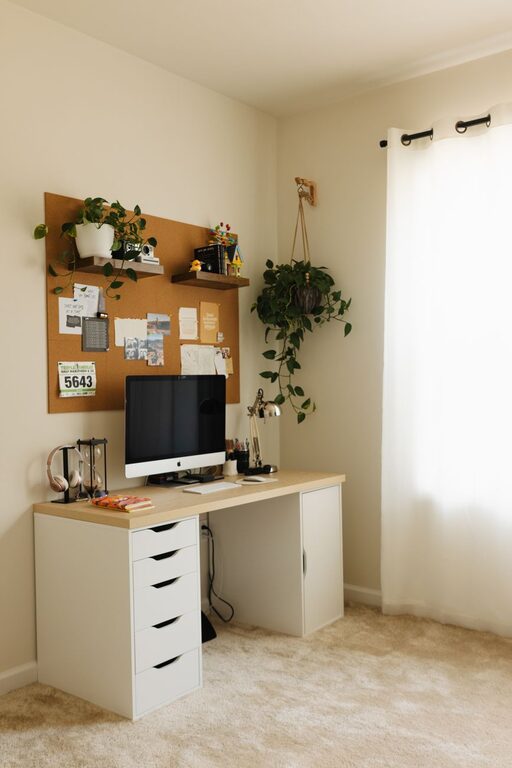
Creating a home office that feels both cozy and productive can be a game-changer for anyone working remotely or managing tasks from home. A well-designed space encourages focus and creativity, while comfort helps reduce stress and fatigue. Whether you’re setting up a dedicated room or carving out a nook in your living space, these tips will help you build a home office environment that suits your needs.
Choose the Right Location
Find a Quiet Spot
Start by selecting a space with minimal distractions and good natural light. A quiet corner away from high-traffic areas in your home will help you concentrate better. If possible, avoid spaces near loud appliances or entertainment areas.
Consider Natural Light
Natural light uplifts mood and wards off fatigue. Position your desk near a window, but be mindful of glare on your computer screen. Using adjustable blinds or curtains can help control light levels throughout the day.
Invest in Comfortable and Functional Furniture
Ergonomic Chair and Desk
Comfort is key for long hours at your desk. Choose an ergonomic chair that supports your back and promotes good posture. Pair it with a desk at the right height to avoid strain on your wrists and shoulders.
Adequate Desk Space
Make sure your desk offers enough surface area for your computer, notebooks, and other essentials. If space is limited, consider wall-mounted shelves or organizers to keep clutter off your desk.
Personalize Your Workspace
Add Cozy Elements
Incorporate soft textures like a throw blanket, cushions, or a small rug to make your space inviting. These elements not only add warmth but can also inspire creativity and relaxation.
Use Art and Decor Wisely
Decorate with items that motivate you without overwhelming the space. Inspirational quotes, plants, or framed photos can create a positive atmosphere.
Organize and Declutter
Keep Essentials Handy
Use organizers, trays, or drawers to store frequently used items such as pens, notepads, or chargers. This keeps your workspace tidy and reduces distractions.
Digital Declutter
Organize your computer files and clear your desktop regularly. A streamlined digital workspace can boost efficiency and reduce frustration.
Optimize Lighting
Layer Your Lighting
Combine ambient lighting with task lighting. A good overhead light paired with a desk lamp helps reduce eye strain and keeps your workspace bright without harsh glare.
Use Warm Light Bulbs
Warm light bulbs create a cozy atmosphere compared to cool, blue-toned lights often found in office settings. They help your space feel inviting, especially during early mornings or late evenings.
Incorporate Greenery
Benefits of Plants
Adding plants improves air quality and adds a touch of nature to your office. Choose low-maintenance varieties like succulents, snake plants, or pothos if you’re new to plant care.
Placement Tips
Place plants where they are visible but won’t interfere with your work tools. Small potted plants on shelves or a medium-sized plant in the corner can brighten the space.
Set Boundaries for Work and Rest
Separate Work Time and Breaks
Create a routine that signals when work starts and ends. Use your workspace strictly for work to help your brain associate it with productivity.
Take Regular Breaks
Schedule short breaks to stretch or relax your eyes. Moving away from your desk periodically helps prevent fatigue and keeps your mind fresh.
Utilize Technology Wisely
Invest in Quality Equipment
Reliable internet, a good headset, and an efficient computer setup boost your work performance and reduce frustration.
Minimize Distractions
Use apps or browser extensions to block distracting websites during work hours. Notifications can be muted or managed to maintain focus.
Maintain Your Workspace
Clean Regularly
A clean and organized office feels more welcoming and helps maintain productivity. Dedicate time weekly to dust, wipe surfaces, and reorganize.
Refresh Occasionally
Change elements like your chair cushion, artwork, or desk accessories to keep the space fresh and motivating.
—
Creating a home office that is both cozy and productive involves thoughtful planning and personalization. By focusing on comfort, organization, and atmosphere, you can build a workspace that supports your well-being and work goals. With these tips, your home office can become a place where you enjoy spending time and accomplish more every day.